

Understanding PAT Testing and Its Connection to ISITEE
What Is PAT Testing?
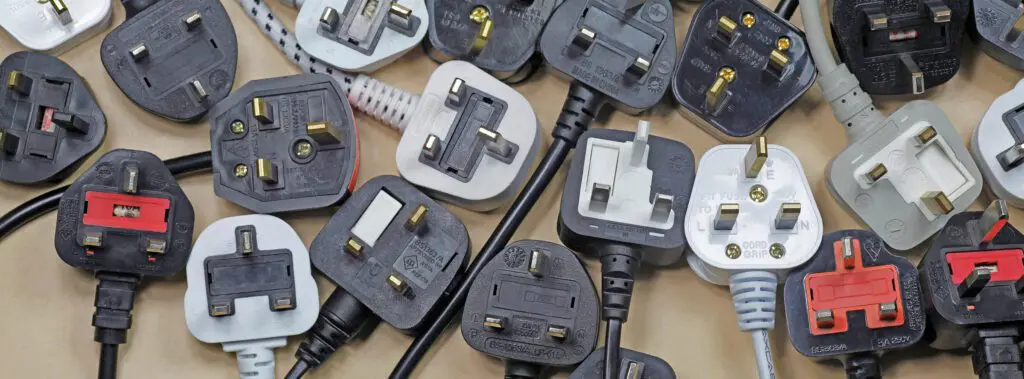
PAT testing, or Portable Appliance Testing, is a process used to inspect and test portable electrical appliances to ensure they are safe for use. It involves:
Visual Inspections: Checking for visible damage or wear.
Electrical Tests: Conducting tests like earth continuity and insulation resistance to identify hidden faults.
Legal Context
PAT testing is a key component of compliance with the Electricity at Work Regulations 1989, which require employers to maintain electrical systems in a safe condition. While not explicitly mandated, PAT testing demonstrates due diligence in maintaining electrical safety.
The Connection Between PAT Testing and ISITEE
ISITEE (In-Service Inspection and Testing of Electrical Equipment) is the formal term for PAT testing. The IET Code of Practice for ISITEE emphasises a risk-based approach to maintenance, where factors like equipment type, usage, and environment determine the frequency and thoroughness of testing.
Key Components of ISITEE
Risk-Based Maintenance
Tailoring inspection and testing frequency based on risk assessments.
Comprehensive Testing
Combining visual inspections with electrical tests to ensure safety.
Compliance
Meeting legal requirements and maintaining safe electrical systems.

In-Service Inspection and Testing Procedures
Step 1: Visual Inspections
Conducted by a competent person to identify visible faults like frayed cables or damaged plugs.
Essential for early detection of issues before they become hazards.
Step 2: Electrical Testing
Performed using specialist equipment to verify earth continuity, insulation resistance, and overall safety.
Results inform decisions about ongoing maintenance and testing frequency.
Step 3: User Checks
Simple, non-technical checks by staff to spot obvious faults between formal inspections.
Prompt reporting of faults ensures timely repairs and safety.
Risk-Based Frequency
Testing intervals depend on factors like equipment type, usage, and environment.
High-risk settings (e.g., workshops) may require more frequent testing than low-risk environments (e.g., offices).
Types of Appliances Subject to Testing
PAT testing applies to a wide range of portable electrical appliances, including:
Office Equipment: Laptops, chargers, and photocopiers.
Kitchen Appliances: Microwaves, refrigerators, and kettles.
Hand-Held Devices: Hairdryers and other fixed or hard-wired appliances.
Any portable equipment connected to the mains electricity supply via a plug is subject to testing, ensuring comprehensive safety coverage.

Importance of Competence and Record Keeping
Competence in PAT Testing
Testing must be carried out by a competent person with appropriate training or experience.
Completing a PAT testing course is a common way to gain the necessary skills.
Record Keeping
Maintain detailed records of all inspections and tests.
Provides proof of compliance and historical data for ongoing maintenance.

Introduction to Electrical Equipment Safety
Electrical equipment safety is fundamental to creating a secure workplace. PAT testing ensures that portable appliances are inspected and tested regularly, helping to:
Prevent electrical accidents and fires.
Maintain compliance with safety regulations.
Protect employees and the workplace environment.
Let’s Work Together
By combining visual inspections, electrical tests, and user checks, organizations can maintain safe portable electrical equipment and demonstrate compliance with legal requirements. Contact JR PAT Testing today to ensure your workplace remains safe, compliant, and hazard-free.