

Counting Items for PAT Testing: Essential Steps for Accuracy
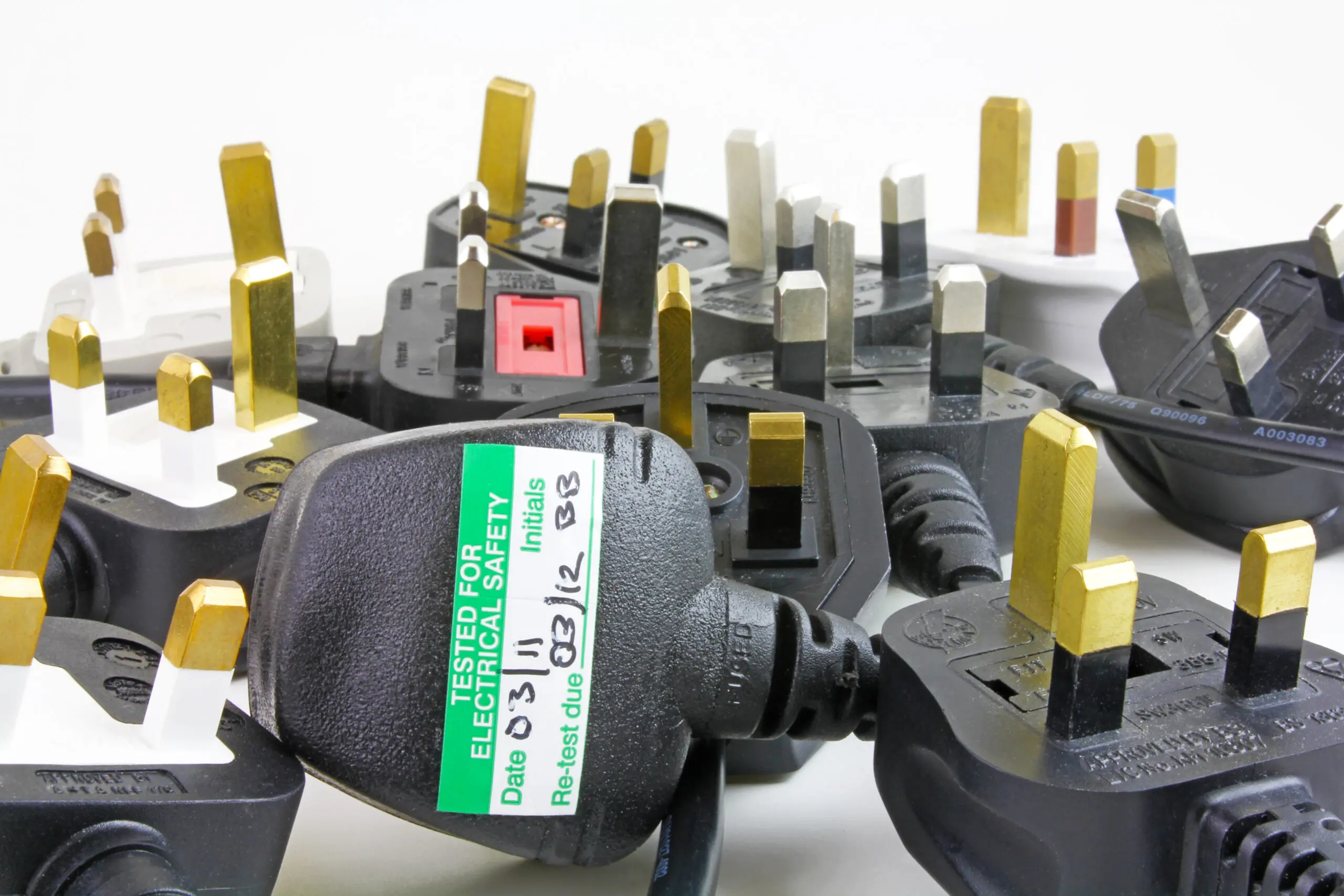
Why Accurate Item Counts Matter
Counting items for PAT testing is more than just an administrative task—it directly impacts:
Compliance
Meeting legal requirements for electrical safety.
Safety
Ensuring all appliances are accounted for and in safe working condition.
Efficiency
Streamlining the PAT testing process for smooth execution.
Employers are legally required to ensure the health and safety of users by maintaining and testing electrical equipment. Whether you manage a small office or a large industrial site, accurate counts are essential to meeting PAT testing standards.

Preparing for PAT Testing: Categorising and Listing Appliances
Step 1: Group Appliances by Type and Location
Office Equipment: Computers, printers, and other electronics.
Kitchen Appliances: Kettles, microwaves, and similar items.
Other Equipment: Extension leads, chargers, adapters, and cables.
Step 2: Identify Items for Testing
Include all portable, fixed, and wired-in equipment connected to the power supply.
Count each socket on extension leads as a separate unit.
Don’t forget battery-powered devices’ chargers if they connect to the mains supply.
Step 3: Conduct Visual Inspections
Check for faults in cables, plugs, wires, and sockets.
Identify any damaged or worn components before formal testing.
Pre-Testing Procedures: Setting the Stage for Success
Before starting the PAT testing process:
Ensure all appliances are clean, dry, and free from obstructions.
Organise the testing area to minimise hazards.
Verify that a competent person with proper training will conduct the testing.
Identify the type and class of each appliance, as different items may require specific testing procedures.
Monitoring and Maintaining Compliance
Regular Inspections and Maintenance
Keep detailed records of all equipment, including maintenance and repair history.
Re-test repaired or replacement items to ensure safety.
Use a risk-based approach to determine the frequency of inspections and testing.
Proof of Inspection
Maintain documentation to demonstrate compliance with safety regulations.
Include all inspected and tested items in your records for accountability.
How JR PAT Testing Can Help
JR PAT Testing offers expert advice and on-site support to simplify the counting and testing process. Our services include:
Inventory Audits: Helping you categorise and list all appliances.
Tailored Solutions: Advising on the most suitable approach for your environment.
Ongoing Compliance Support: Monitoring and answering questions about PAT testing requirements.
We work across all sectors, including offices, schools, healthcare facilities, and industrial environments, guiding you step-by-step to ensure accuracy and compliance.
Introduction to Electrical Equipment Safety
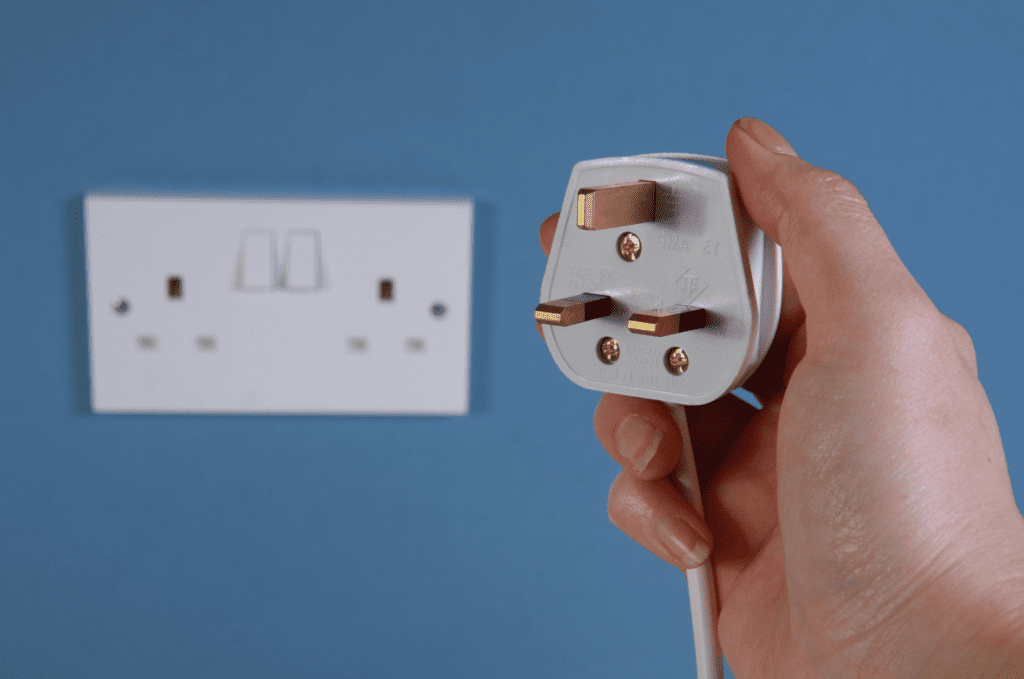
Ensuring the safety of electrical equipment is vital for preventing risks such as electric shock, fire, and injury. PAT testing plays a crucial role in identifying faults and maintaining a secure environment. By prioritising regular inspections and testing, you can protect people, safeguard premises, and ensure all appliances remain in safe working condition.
Understanding PAT Testing
PAT testing involves:
Visual Inspections: Checking plugs, leads, and casings for damage.
Electrical Tests: Conducting earth continuity and insulation resistance tests to confirm safety.
This structured process helps identify hidden issues, ensuring compliance and reducing risks.
Let’s Work Together
With JR PAT Testing, you benefit from a proven approach to counting and testing items, ensuring your workplace remains safe and compliant. Contact us today to streamline your PAT testing process and achieve peace of mind.